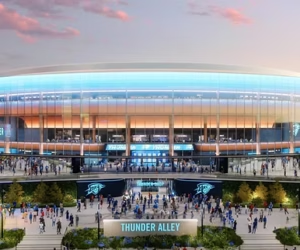
Real estate is entering a new era where buildings are valued not just for their size or location, but for how well they connect people. Industry experts say that human connection, a sense of belonging, and user experience are becoming key measures of success for properties around the world.
For decades, the performance of buildings was judged mainly by traditional factors like square footage, location quality, and occupancy rates. But as lifestyles and work habits change, developers and owners are shifting their attention to how spaces inspire people to engage.
“Today, the question isn’t just how full a building is,” said one industry leader. “It’s how well it works for the people inside.”
New Metrics Shape the Market
Developers are increasingly using new performance metrics such as:
- User sentiment and feedback
- Amenity engagement and usage
- Tenant well-being
- Flexibility and adaptability of spaces
Properties that offer more than physical space — like wellness facilities, hospitality-style services, and adaptable layouts — are seeing higher demand and stronger returns.
Belonging Boosts Performance
Studies also show that buildings fostering a sense of belonging can directly impact productivity and retention. A 2025 Gensler survey found that 65% of employees feel most connected to their company’s culture at the office. Another study from MIT Sloan reported that employees with a high sense of belonging perform 56% better and are less likely to leave their jobs.
Workplaces that encourage mentorship, team bonding, and shared rituals outperform others in engagement scores.
From Utility to Experience
The shift marks a major change in how real estate is valued. Spaces are no longer viewed only as places to work or shop. They are now designed to build community. Experts say that in the years ahead, the most successful properties will be those that offer connection, flexibility, and meaning.